What We Look for During a Paint Inspection Before Paint Correction
Before polishing a vehicle, a professional detailer needs to understand what is actually happening on the paint surface and, just as importantly, how much correction the paint can safely tolerate.
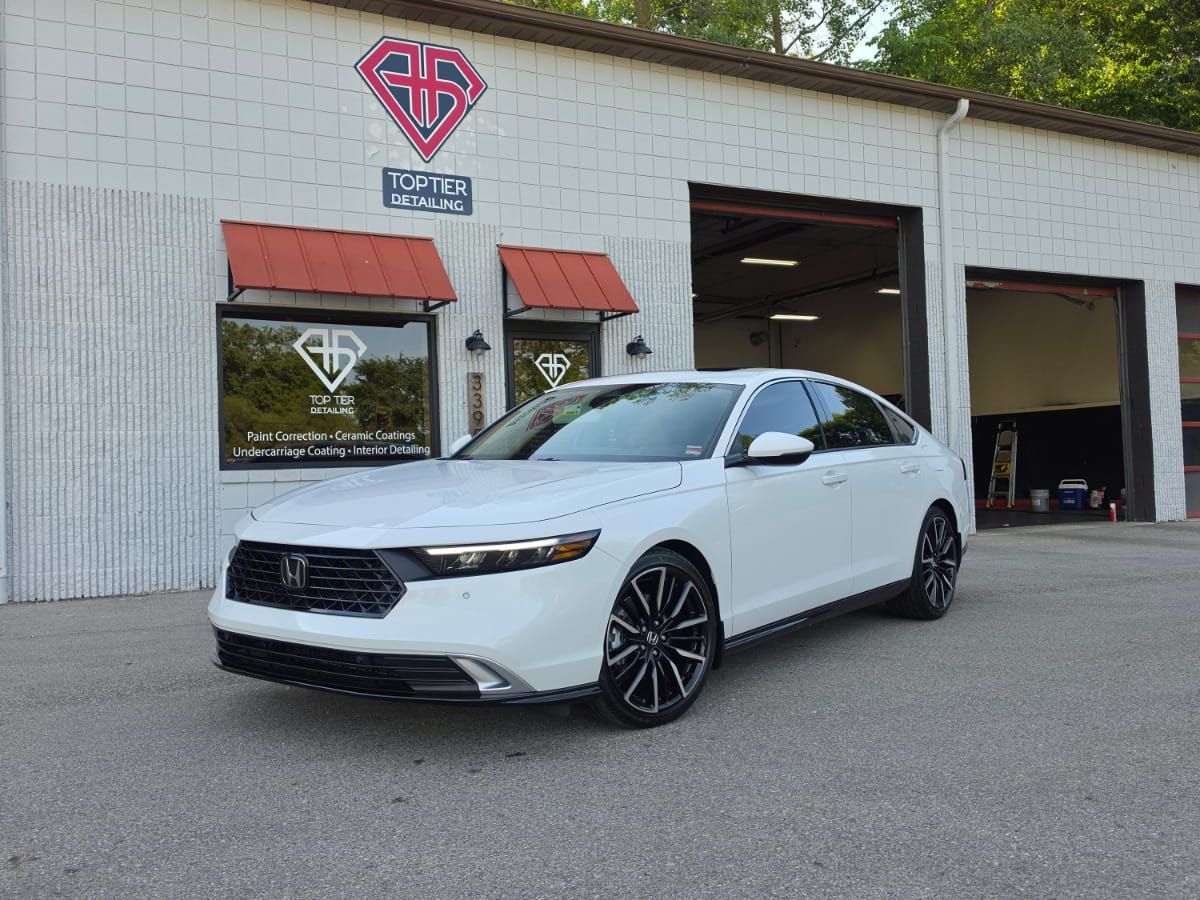
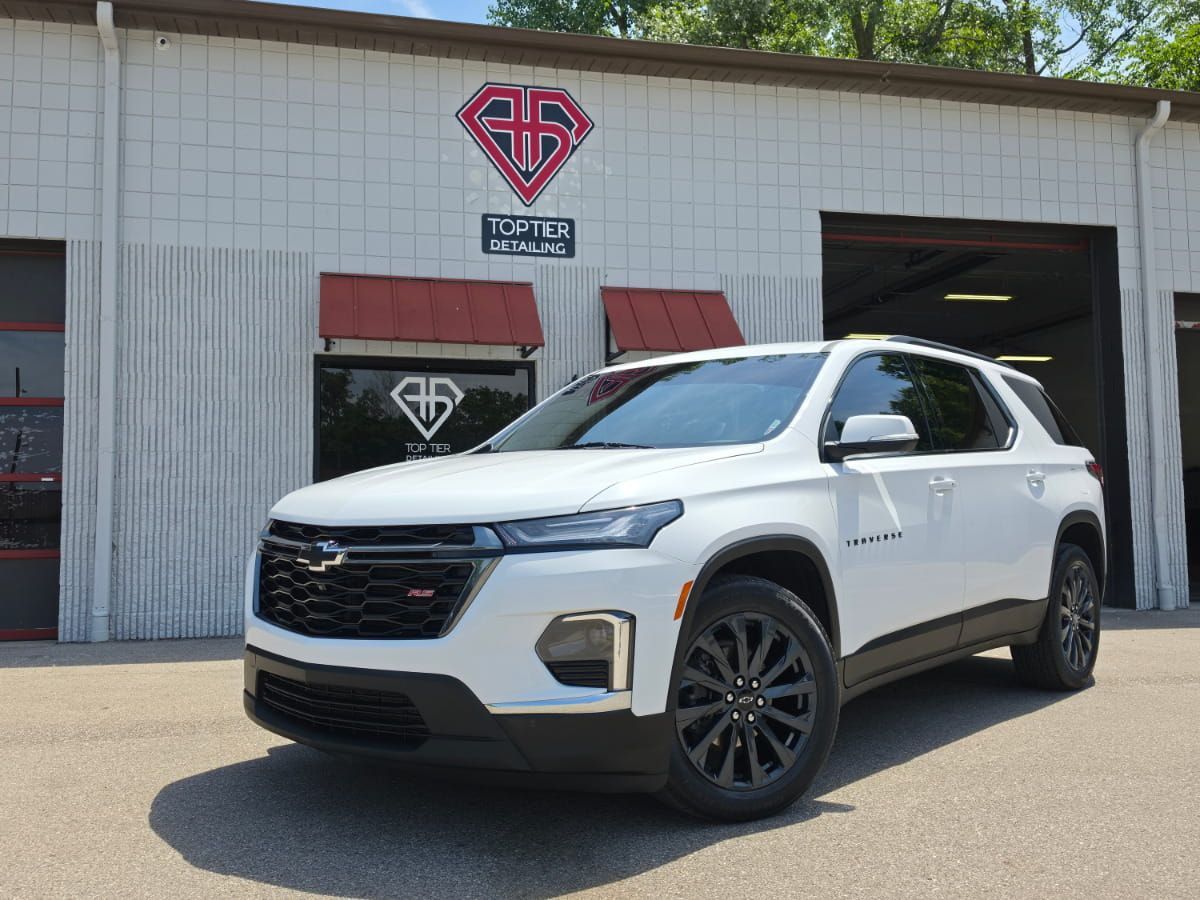
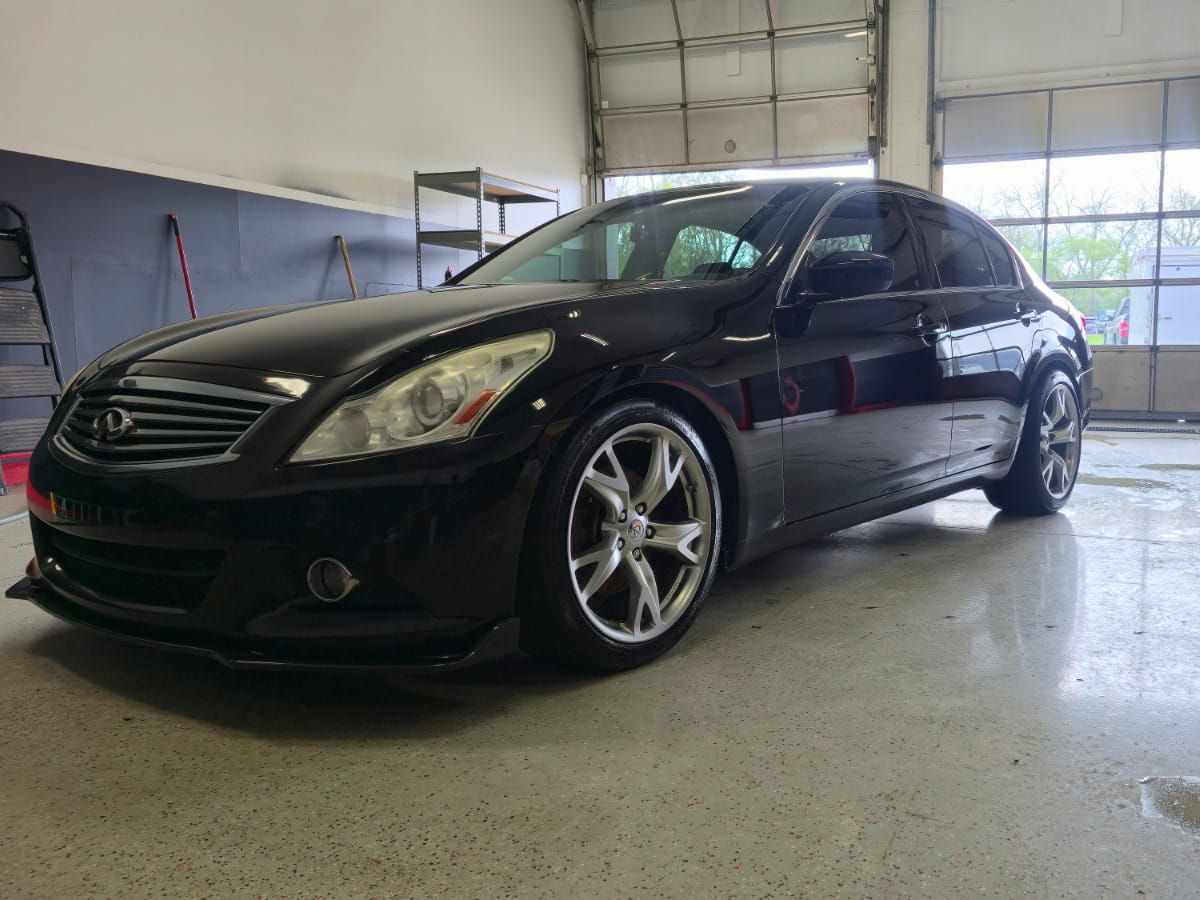
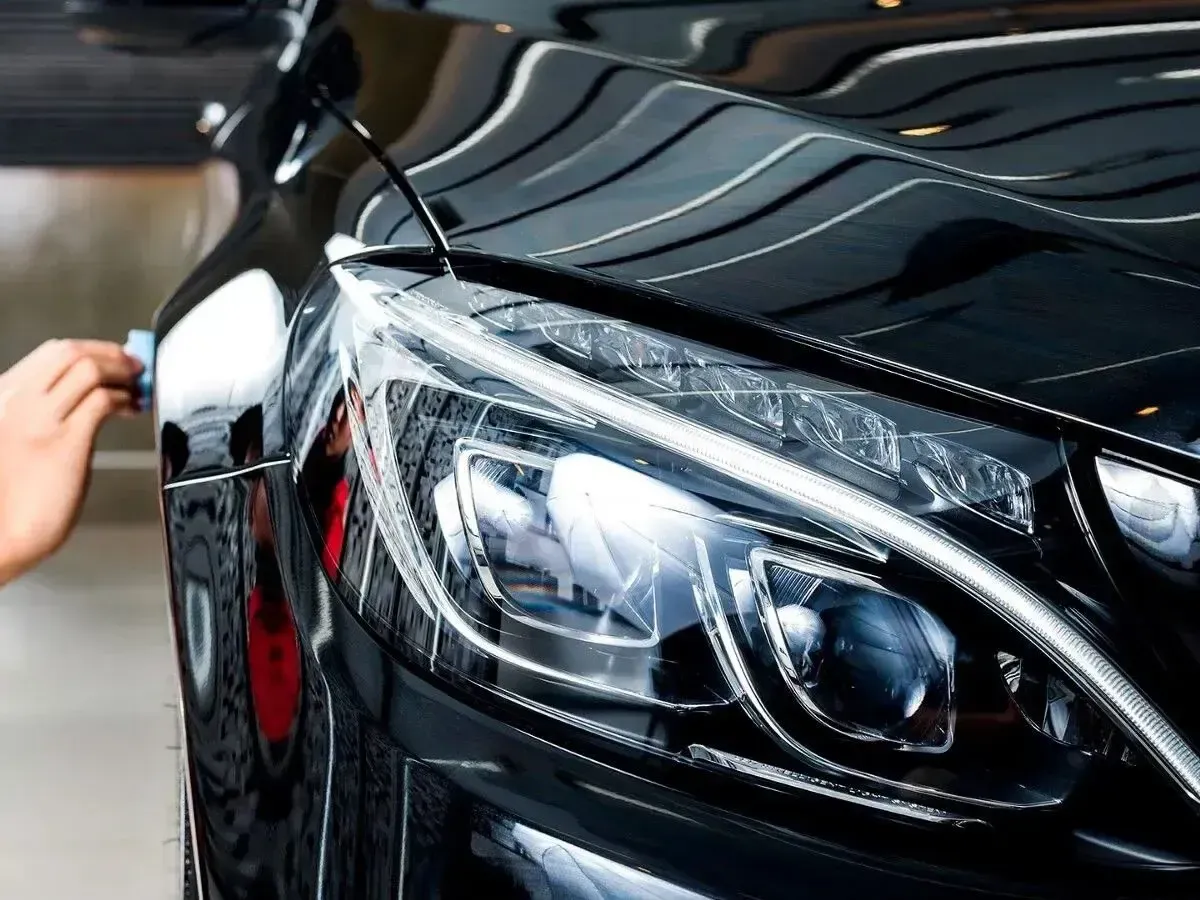
At Top Tier Detailing in Livonia, MI, the process starts with inspection. We look beyond whether a vehicle simply appears “shiny.” Under proper lighting and close evaluation, paint can reveal swirl marks, random scratches, water-spot etching, oxidation, previous repair work and other defects that determine the safest way forward.
The goal is to improve the finish while preserving as much original paint as possible.
1. Swirl Marks and Wash Marring
One of the first things we look for is swirl marking and wash-induced marring.
These fine scratches are commonly associated with improper washing and drying techniques. Automatic car washes, contaminated wash media, aggressive wiping and drying a dirty surface can gradually create a network of fine defects across the clear coat.
They may be difficult to see under ordinary lighting, but direct or controlled detailing lights can make them much more obvious.
Swirl marks don't necessarily mean a vehicle needs aggressive correction. Their depth, density and distribution matter.
A light polishing process may significantly improve a finish with relatively minor marring, while heavily damaged paint may require a more involved correction process.
The first step is determining which situation you're actually dealing with.
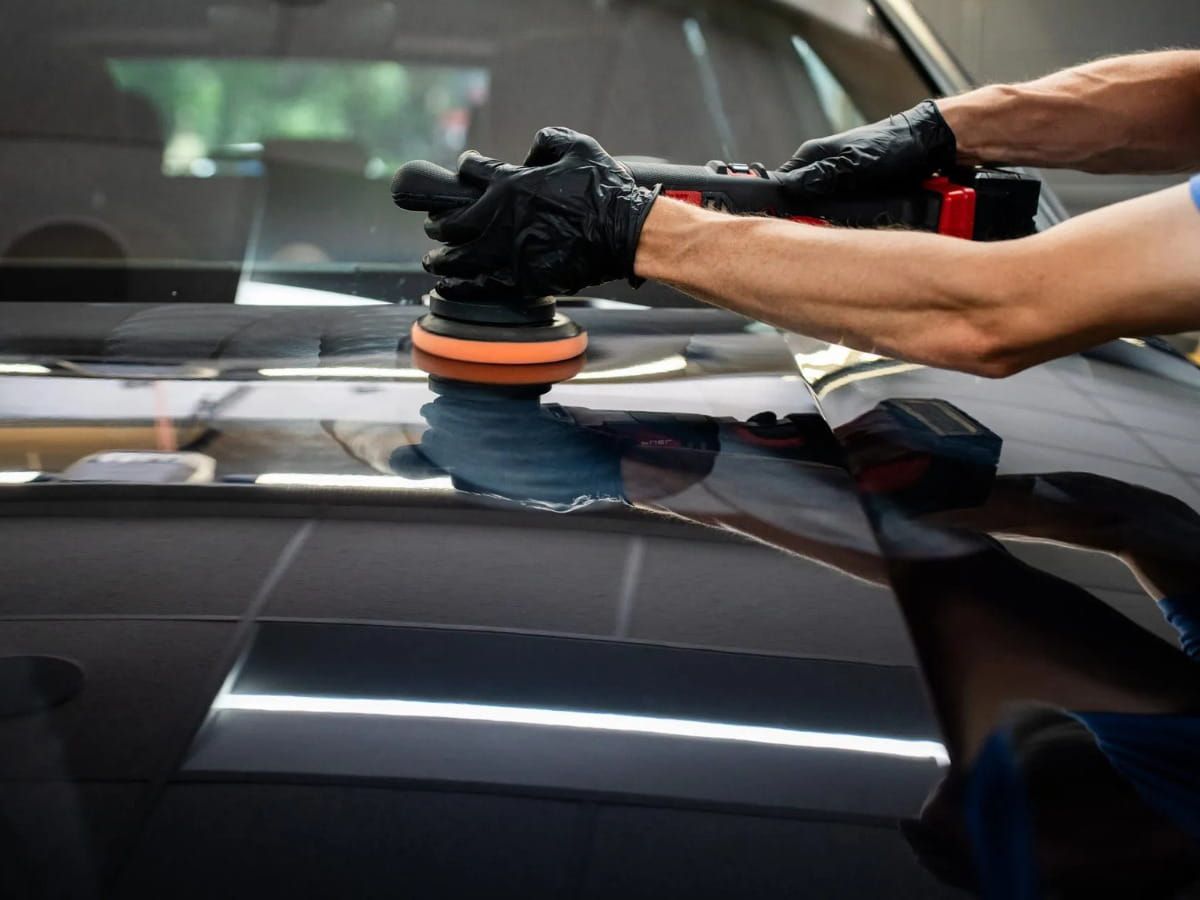
Top Tier Detailing already emphasizes professional paint correction as a process designed to restore gloss and reduce swirl marks, scratches and oxidation rather than simply applying another product over an imperfect finish.
2. Random Deep Scratches
During an inspection, we distinguish between widespread surface marring and random deeper scratches (RDS).
A scratch that remains within the upper portion of the clear coat may be reduced or removed through machine polishing. A deeper scratch that extends farther through the paint system may not be safely removable through correction alone.
Trying to completely eliminate every deep scratch can require removing more material than is appropriate. In some cases, the better decision is to reduce the visibility of the defect while preserving the integrity of the surrounding paint.
A professional inspection allows us to determine what level of correction is realistic before work begins.
3. Water-Spot Etching
Water spots can look harmless, but some are more than simple mineral residue.
When water evaporates, dissolved minerals can remain on the paint. If deposits remain on the surface, they may sometimes be removed through appropriate cleaning or chemical treatment. More severe spots can become bonded to the surface or etch into the clear coat, requiring polishing to restore the finish.
During inspection, we therefore look at both the presence and severity of water spotting.
This distinction matters because polishing a surface unnecessarily removes paint. If a deposit can be safely removed without abrasive correction, there is no reason to polish through it.
If the clear coat has already been etched, however, cleaning alone will not restore the original surface.
The inspection determines which problem we're actually dealing with.
4. Oxidation and UV Damage
Another important consideration is oxidation and UV-related deterioration.
Long-term exposure to sunlight and environmental conditions can contribute to fading, hazing and loss of gloss, particularly when a vehicle's finish has not been adequately maintained or protected.
The visual symptoms can range from a slightly dull finish to significant loss of clarity and gloss.
But again, the appearance alone doesn't tell us how aggressive the correction should be.
We need to determine whether the surface can be improved through polishing and how much correction is appropriate for the condition of the paint.
For vehicle owners in Michigan, this assessment is particularly useful because paint experiences seasonal exposure to sun, road contamination, moisture and winter conditions.
5. Previous Repair Work
One of the most important parts of a paint inspection is identifying previously repaired or repainted panels.
A vehicle may look uniform from several feet away while individual panels have very different histories.
A previous repair can mean:
- Repainted panels,
- Different paint thicknesses,
- Overspray,
- Bodywork beneath the paint,
- Blending between panels,
- Variations in finish quality,
- Areas that have already been polished heavily.
These differences affect how safely a panel can be corrected.
A professional detailer should never assume that every panel has the same paint system or the same amount of material available for correction.
That's why inspection comes before polishing.
6. Paint Thickness and Available Correction
This is where measuring the paint becomes particularly valuable.
A paint thickness gauge can provide useful information about the total thickness of the cured paint system on suitable panels. PPG describes dry film thickness as the measurement of the total cured paint layer and recommends checking film thickness during the initial inspection before repair work begins.
However, a standard paint thickness gauge does not simply tell a detailer exactly how many microns of clear coat remain. It generally measures the combined thickness of the paint layers, so readings need to be interpreted alongside visual inspection, panel history and experience.
That's why the gauge is a tool - not a substitute for expertise.
For example, significantly different readings between adjacent panels can indicate previous refinishing. That information can change how aggressively we approach correction.
The objective is simple: use the least aggressive correction necessary to achieve the desired improvement while preserving the paint.
7. Overall Paint Health and Gloss Potential
The final part of the inspection is looking at the vehicle as a whole.
What is the current condition of the finish?
What is realistically achievable?
And what approach will provide the best balance between appearance, correction and long-term preservation?
We consider:
- The severity and distribution of defects,
- Paint condition,
- Previous repair work,
- Surface contamination,
- Water-spot etching,
- Oxidation,
- Scratch depth,
- Paint thickness readings where appropriate,
- The owner's expectations,
- The intended level of correction.
This helps establish the vehicle's gloss potential.
A daily driver with years of wash marring may have a very different correction strategy from a carefully maintained performance vehicle.
Likewise, a vehicle with heavily repainted panels may require a more conservative approach than one with consistent factory paint.
Why Paint Inspection Comes Before Paint Correction
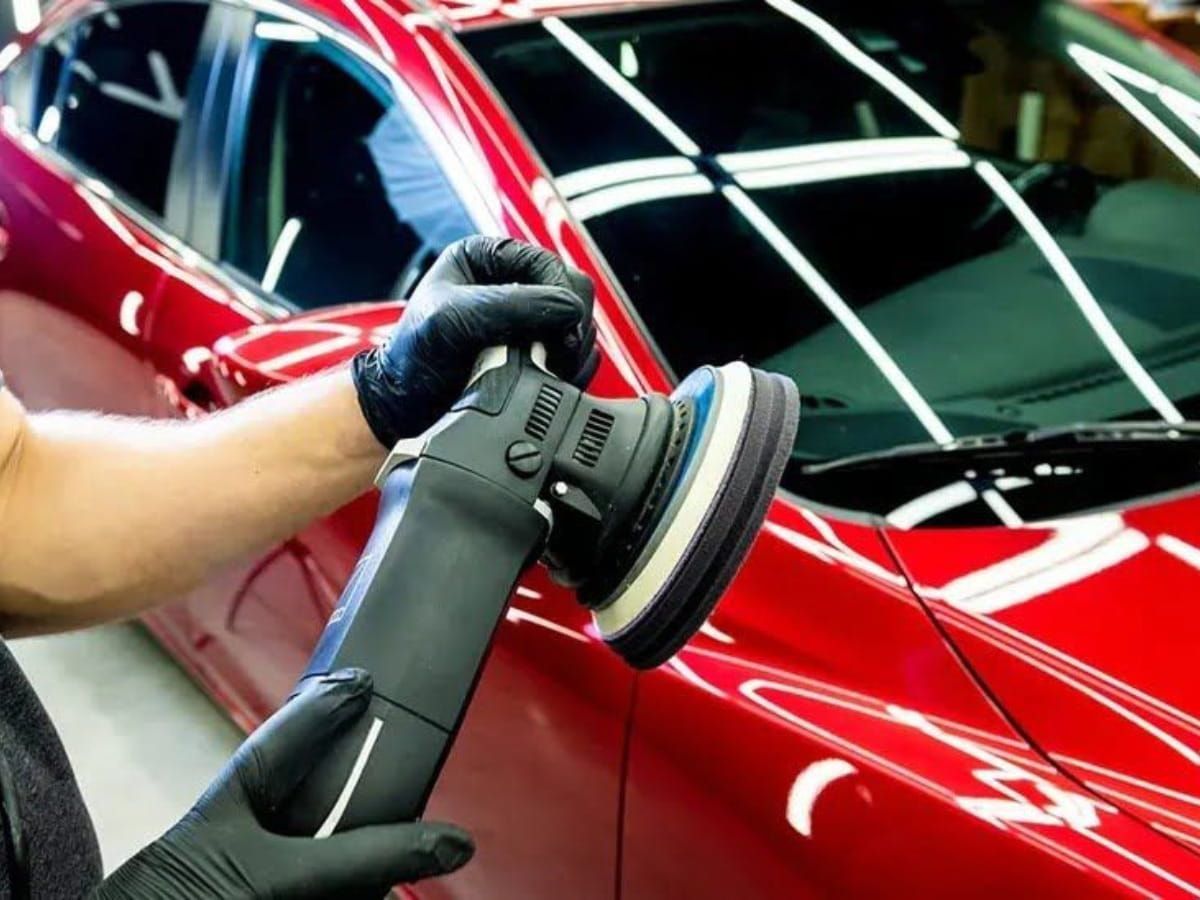
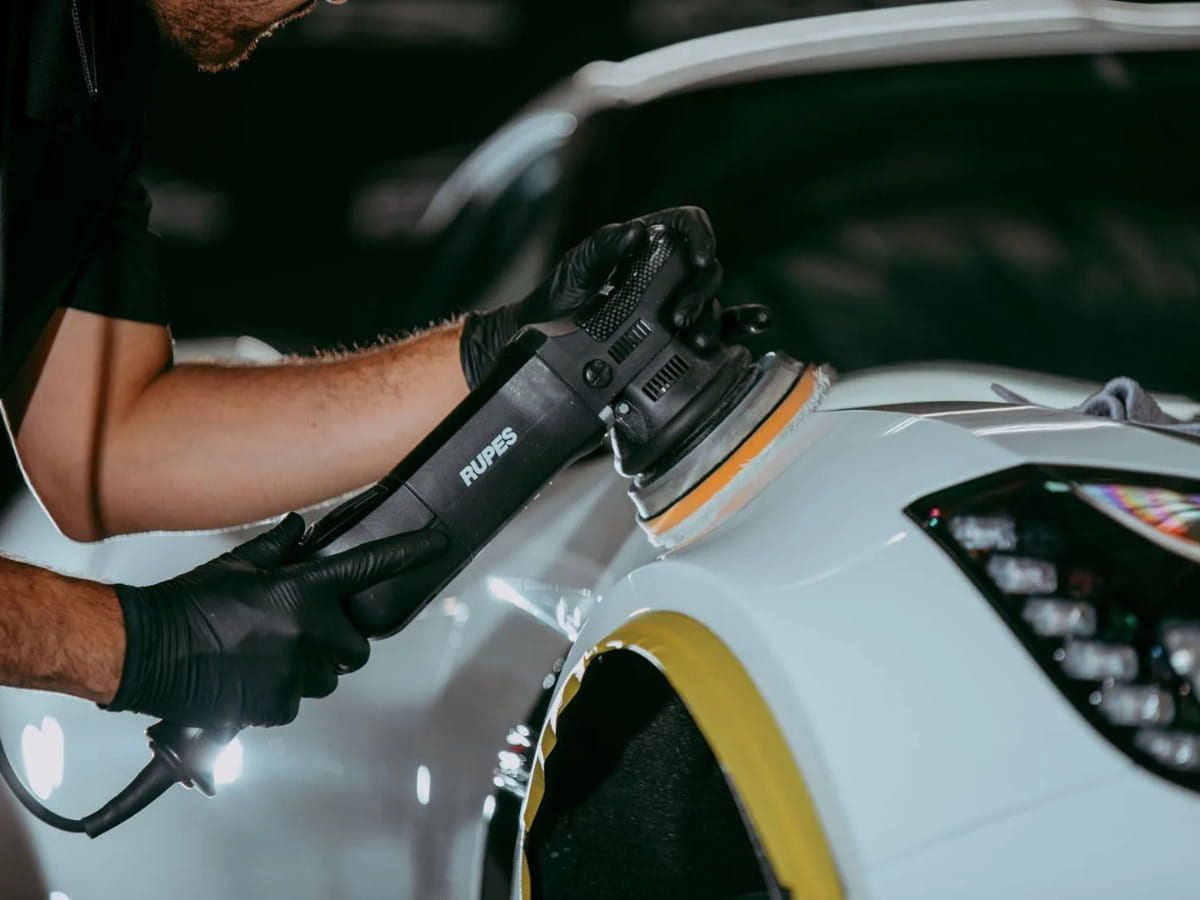
Paint correction is essentially controlled removal or refinement of microscopic amounts of the paint surface.
That means every correction decision should have a reason behind it.
Starting with a compound or aggressive pad without understanding the condition of the paint can create unnecessary risk. A professional process works in the opposite direction:
Inspect → measure where appropriate → test → correct → reassess.
This approach helps avoid unnecessary removal of paint while still achieving meaningful improvement.
At Top Tier Detailing, our paint correction service is designed around restoring the appearance of the finish through professional polishing techniques, with the vehicle's individual condition determining the appropriate approach.
A Paint Inspection Also Sets Realistic Expectations
One of the most valuable things a professional inspection provides is clarity.
Sometimes a lighter correction can dramatically improve gloss and clarity without unnecessarily chasing defects that are too deep to remove safely.
It's responsible paint care.
The best correction is not necessarily the most aggressive correction. It is the correction that delivers the desired improvement while respecting the condition and history of the vehicle.
What Happens After the Inspection?
Once the paint has been evaluated, we can recommend the most appropriate path forward.
Depending on the vehicle, that may mean:
Paint correction to reduce swirl marks, scratches, oxidation and other surface defects.
Exterior detailing to thoroughly clean and decontaminate the vehicle before further protection.
Ceramic coating after appropriate preparation to add a durable protective layer and make future maintenance easier.
Top Tier Detailing offers both paint correction and ceramic coating, and our ceramic coating process emphasizes thorough cleaning, decontamination, paint correction when necessary and surface preparation before coating application.
That preparation matters because a coating is not designed to correct the defects underneath it.
If the paint is properly refined first, the coating can protect and preserve a finish that already looks its best.
The Bottom Line: Inspect Before You Correct
A vehicle's paint tells a story.
Swirl marks can reveal years of improper washing. Deep scratches can show where the surface has experienced physical damage. Water spots can indicate mineral deposits or clear-coat etching. Oxidation can reveal prolonged environmental exposure. Uneven paint thickness can point toward previous repair work.
A proper paint inspection brings all of that information together.
At Top Tier Detailing in Livonia, Michigan, the goal is to understand the finish, determine what can be safely improved and recommend the right path for restoring and protecting it.
Since 2021, Top Tier Detailing has focused on premium vehicle protection, including paint correction, ceramic coatings, industrial coatings, undercoating and professional detailing.
Our shop is also a Feynlab-certified installer, offering the Feynlab coating range, including Self Heal Plus.
Whether your vehicle has years of wash marring, isolated scratches, water-spot etching or simply lost some of its original gloss, the first step is not reaching for a polisher, but understanding the paint.
And that's exactly what a professional paint inspection is designed to do.