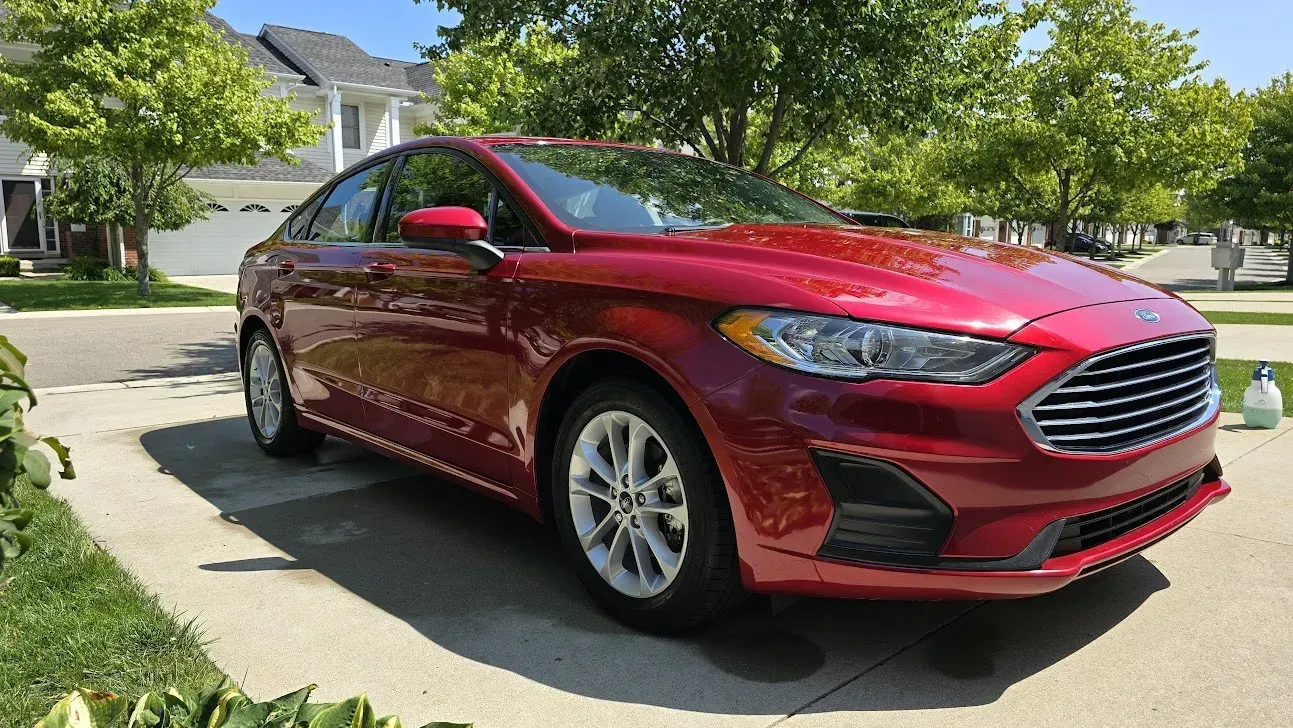
Bird Droppings on Your Car for 24 Hours? Here's What Can Happen to Unprotected Paint
You walk out to your vehicle, notice a bird dropping on the hood, and think, "I'll clean that off later."
A few hours turn into a day. Then the stain remains, even after washing.
What many vehicle owners don't realize is that bird droppings aren't just unsightly. They're one of the most aggressive contaminants your vehicle's paint can encounter. In warm weather, damage can begin surprisingly quickly, especially when the paint is unprotected.
At Top Tier Detailing, we often help vehicle owners in Livonia, Novi, Farmington, Northville, Plymouth, Ann Arbor, and Canton correct paint damage that could have been prevented with proper protection and timely removal.
Let's have a closer look at what actually happens when bird droppings sit on your vehicle for 24 hours.
Why Bird Droppings Are So Damaging to Automotive Paint
Most people assume bird droppings damage paint simply because they're dirty.
The reality is more complicated.
Bird droppings contain a mixture of uric acid, digestive enzymes, and organic waste. As they sit on the paint surface, moisture begins to evaporate and the contaminants become increasingly concentrated.
This concentration creates a highly reactive environment directly against your vehicle's clear coat.
The longer the contamination remains, the greater the likelihood of permanent damage.
The First Stage: Acidic Etching Begins
Within hours of landing on your vehicle, bird droppings can begin attacking the clear coat.
As the dropping dries:
- Moisture evaporates.
- Acidic compounds become more concentrated.
- Chemical reactions intensify.
The result is a process known as acid etching.
Rather than simply resting on top of the paint, contaminants begin affecting the surface itself.
This is why many vehicle owners discover that a mark remains even after thoroughly washing their vehicle.
The contamination may be gone, but the paint damage remains.
Why Hot Weather Makes the Problem Worse
Temperature plays a major role in how quickly bird dropping damage occurs.
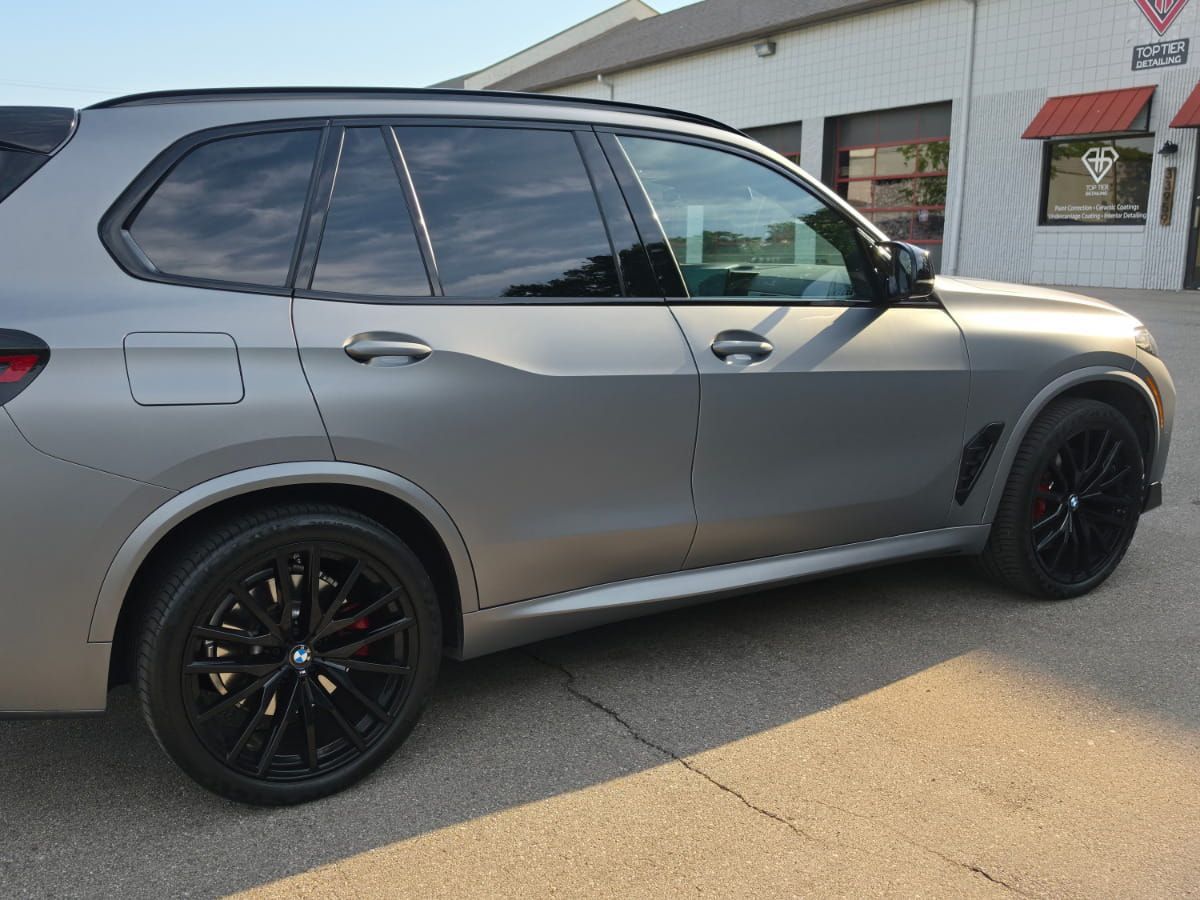
During warm summer days, vehicle surfaces can reach temperatures far above the surrounding air temperature. Dark-colored vehicles are particularly vulnerable.
When heat is added to the equation:
- Chemical reactions accelerate.
- Moisture evaporates faster.
- Acids become more concentrated.
- Paint damage progresses more rapidly.
A bird dropping that may cause minor issues during cooler weather can create noticeable etching during a hot Michigan summer afternoon.
This is one reason professional detailers recommend removing bird droppings as soon as possible rather than waiting until the next wash.
Clear Coat Swelling and Shrinking: The Hidden Damage
One of the lesser-known effects of bird droppings involves the way they interact with your vehicle's clear coat.
The moisture trapped within the dropping can temporarily soften and swell the clear coat beneath it.
As the contamination dries and the moisture disappears, the paint contracts.
This repeated swelling and shrinking can leave behind a visible outline even after the dropping has been removed.
Often, owners mistake this for leftover contamination.
Unfortunately, the mark is often an actual deformation in the clear coat itself.
Permanent Staining Can Occur
Not all bird dropping damage appears as a rough etched mark.
Sometimes contaminants penetrate beyond the surface and create staining within the paint system.
Signs of staining include:
- Shadow-like marks.
- Dull spots.
- Discoloration that remains after washing.
- Visible outlines under direct sunlight.
At this stage, standard washing techniques usually won't solve the problem.
The contamination may have penetrated deeper than surface-level dirt and debris.
What Happens After 24 Hours?
Many vehicle owners ask the same question: "Is one day really enough to cause damage?"
In favorable conditions for etching, particularly warm temperatures and direct sunlight—the answer is yes.
After approximately 24 hours, it becomes increasingly common to see:
- Visible etching,
- Permanent outlines,
- Surface staining,
- Clear coat distortion.
While every situation is different, paint correction is often required to fully restore the affected area.
The longer the contamination remains, the greater the chance that the damage extends deeper into the clear coat.
The Cost of Ignoring Bird Droppings
Removing a fresh bird dropping usually takes only a few moments.
Correcting paint damage is considerably more involved.
Depending on severity, restoration may require:
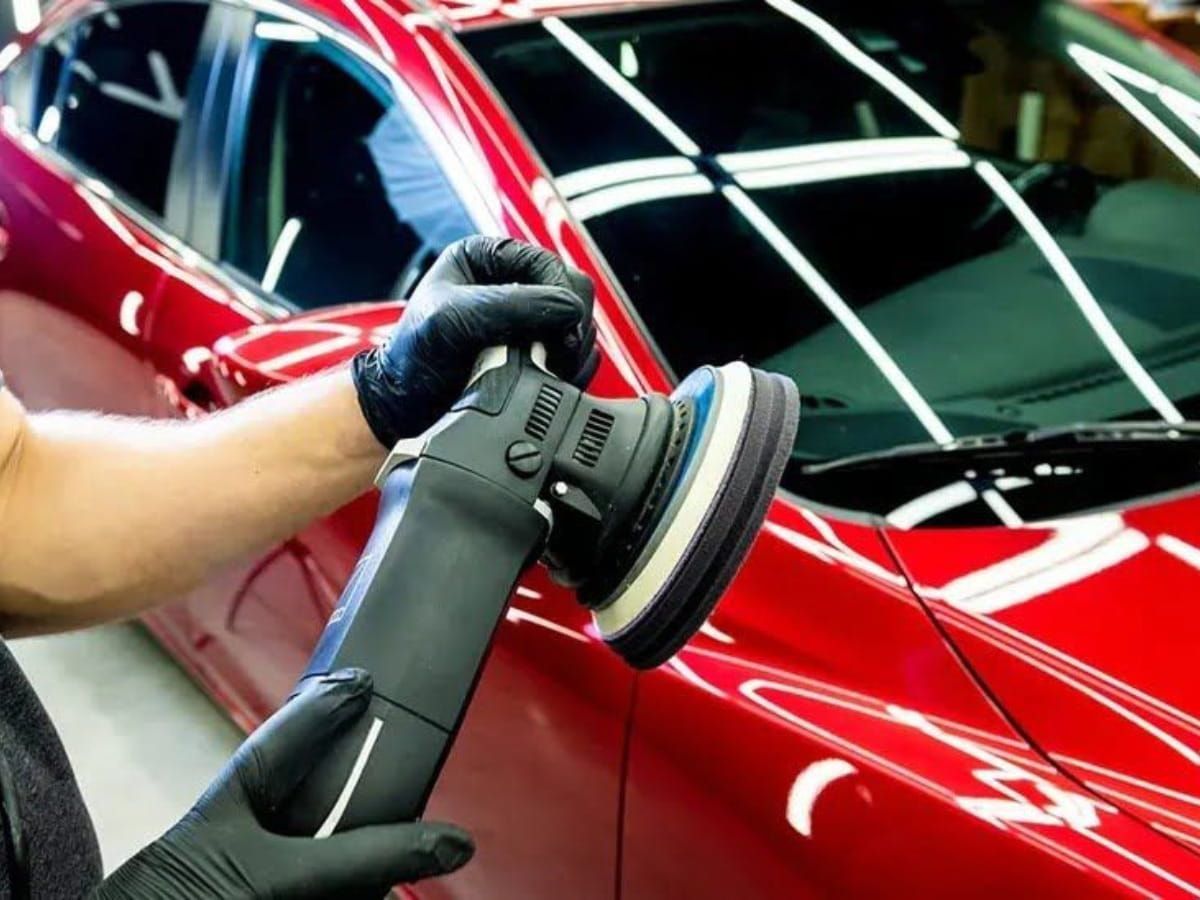
Machine polishing can often remove light etching and restore clarity to the paint surface.
- Multi-Step Correction Processes
Deeper defects may require multiple polishing stages to safely level the damaged area.
- Wet Sanding
In severe cases, detailers may need to carefully wet sand the affected section before polishing.
- Repainting
When etching penetrates too deeply into the paint system, repainting may become the only option.
This is why prevention is always more cost-effective than correction.
How Ceramic Coatings Help Protect Against Bird Droppings
While no coating makes a vehicle completely immune to contamination, ceramic coatings provide an important layer of defense.
A professionally installed ceramic coating creates a sacrificial barrier between contaminants and your paint.
Benefits include:
- Easier contaminant removal.
- Reduced direct contact with the clear coat.
- Enhanced chemical resistance.
- Simplified maintenance.
At Top Tier Detailing, ceramic coatings are one of the most effective tools we use to help vehicle owners reduce the risk of environmental paint damage.
However, even coated vehicles should have bird droppings removed promptly for maximum protection.
What To Do If You Find Bird Droppings on Your Vehicle
If you notice bird droppings on your vehicle:
- Remove them as soon as possible.
- Avoid scrubbing dry contamination.
- Use a dedicated detail spray or clean water to soften the area first.
- Gently wipe with a clean microfiber towel.
- Inspect the surface afterward for signs of etching or staining.
If marks remain after cleaning, professional evaluation may help determine whether paint correction is needed.
Protecting Your Paint Before Damage Happens
Bird droppings are unavoidable. Paint damage isn't.
The combination of acidic contamination, heat exposure, and prolonged contact can create permanent defects surprisingly quickly. In some
cases, noticeable damage can begin developing within a single day.
The good news is that proactive protection significantly reduces your risk.
At Top Tier Detailing, we specialize in ceramic coatings, paint correction, detailing, industrial coatings, and vehicle protection solutions designed to help Michigan drivers preserve their vehicles' appearance and value for years to come.
Because when it comes to bird droppings, the best repair is preventing the damage from happening in the first place.
Visit us today at Top Tier Detailing, 33959 Plymouth Road, Livonia, Michigan or get your quote online.